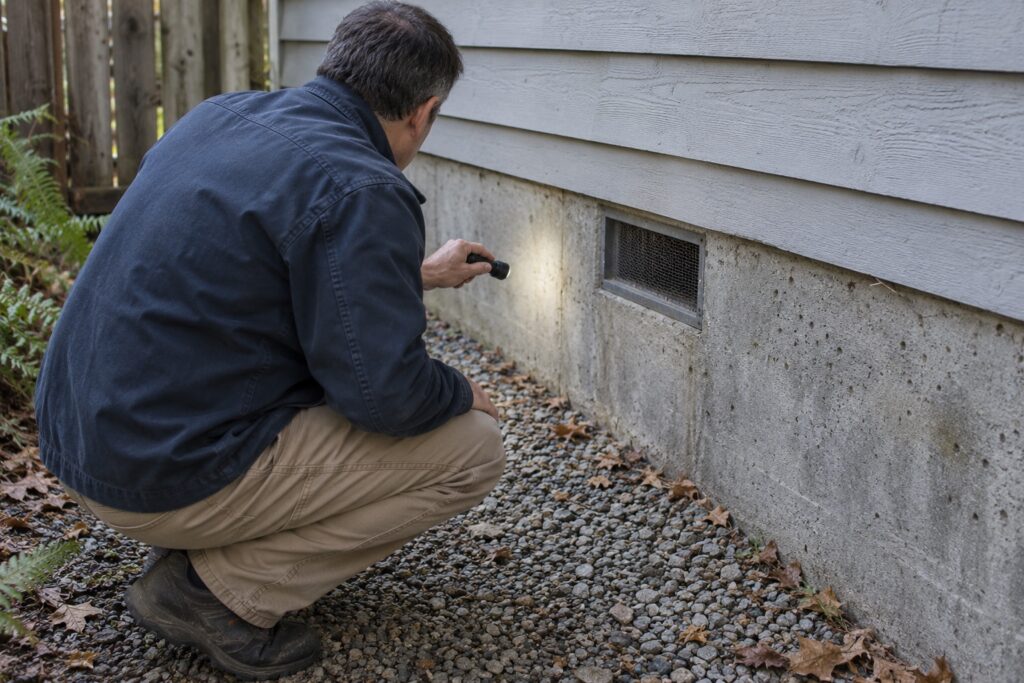
Mutual acceptance starts the clock; it does not end the investigation. This is the stretch when Washington buyers have to connect the seller disclosure, inspection, title material, public records, financing, and contract deadlines. I want every open question tied to a source, a responsible person, and a date.
The short version
- Read the disclosure, inspection, title material, and public record together.
- Keep confirmed facts separate from opinions and open questions.
- Address important issues before the deadlines in the purchase agreement.
Track the contract deadlines
Begin with the purchase agreement and record every inspection, financing, title, review, response, and closing deadline that applies to the transaction. Beside that calendar, write down how you expect to use the home, what you may change, and which property conditions or financing requirements could affect the decision.
Test the seller disclosure against other evidence
Washington’s seller-disclosure law provides forms for improved residential, unimproved residential, and commercial property, with statutory exceptions and waiver provisions. The seller answers from actual knowledge, and the disclosure is not a warranty.
Compare the disclosure with the inspection, title materials, permit records, utility information, and your own observations. A blank, unknown, or negative answer may still leave a question that needs follow-up.
Use the inspection to decide what deserves a closer look
Washington licenses professionals who inspect homes for a fee. The Department of Licensing describes a home inspection as a noninvasive look at condition on the inspection date. It is not a guarantee against future problems.
Ask about the scope before the inspection begins. A general inspection may lead to a closer look at the roof, sewer, septic system, electrical system, structure, drainage, pests, or environmental conditions. Find out what was inaccessible, excluded, sampled, or viewed only from a distance.
Bring title, records, financing, and deadlines together
Use the parcel number and correct jurisdiction when you search permit, assessment, septic, well, critical-area, and other public records. King County’s tools are one local example; elsewhere, use the responsible county, city, health district, or agency. These records do not replace a survey, title review, inspection, or written agency confirmation.
If federal Closing Disclosure rules apply to your mortgage, compare the disclosure with the latest Loan Estimate and the transaction terms you expect. Keep each open question beside its source, deadline, current answer, and the person responsible for following up.
Sources
Sources checked August 24, 2026. Agency pages, statutes, forms, and requirements can change; confirm the current version before relying on them.
- Chapter 64.06 RCW: Real property transfer disclosures Washington disclosure law and forms.
- Washington DOL home-inspector consumer FAQ Inspection scope and licensing guidance.
- King County property research Official parcel and property tools.
- Washington Department of Health private-well testing Water-quality testing guidance.
- CFPB closing-document review Federal consumer closing guidance.
Want a second set of eyes on a Washington property?
Send the address and the questions that matter to you. We’ll help keep the property review and transaction deadlines organized.
This article provides general real estate information, not legal, tax, lending, environmental, engineering, inspection, accessibility, or investment advice. Requirements and property conditions vary. Confirm current information through the applicable public agency, transaction documents, and appropriately qualified professionals. Browsing, reading, or submitting an inquiry does not by itself create a brokerage, agency, fiduciary, or client relationship.