For a Washington commercial client, I start with the operation and its property requirements. How will customers, employees, deliveries, equipment, utilities, parking, loading, and improvements actually work at this address? Only after that picture is clear can the building condition, occupancy costs, environmental questions, and deal terms be evaluated in context.
The short version
- Write down the business needs before you compare sites.
- Confirm the proposed use with the authority responsible for the address.
- Bring in environmental, accessibility, engineering, or legal help early when the property calls for it.
Translate the operation into property requirements
List the proposed use, space and layout, utilities, parking, loading, access, visibility, security, technology, hours, customer or employee needs, improvement budget, target occupancy date, desired term, and exit needs. Mark each item as required or preferred.
Confirm the use and pressure-test the building systems
Identify the parcel and permitting jurisdiction before you rely on a listing description or prior use. Review zoning, use tables, permit history, active applications, and available occupancy records. King County’s property tools are one local example; elsewhere, use the responsible county and city systems. A similar former tenant does not prove your operation is permitted.
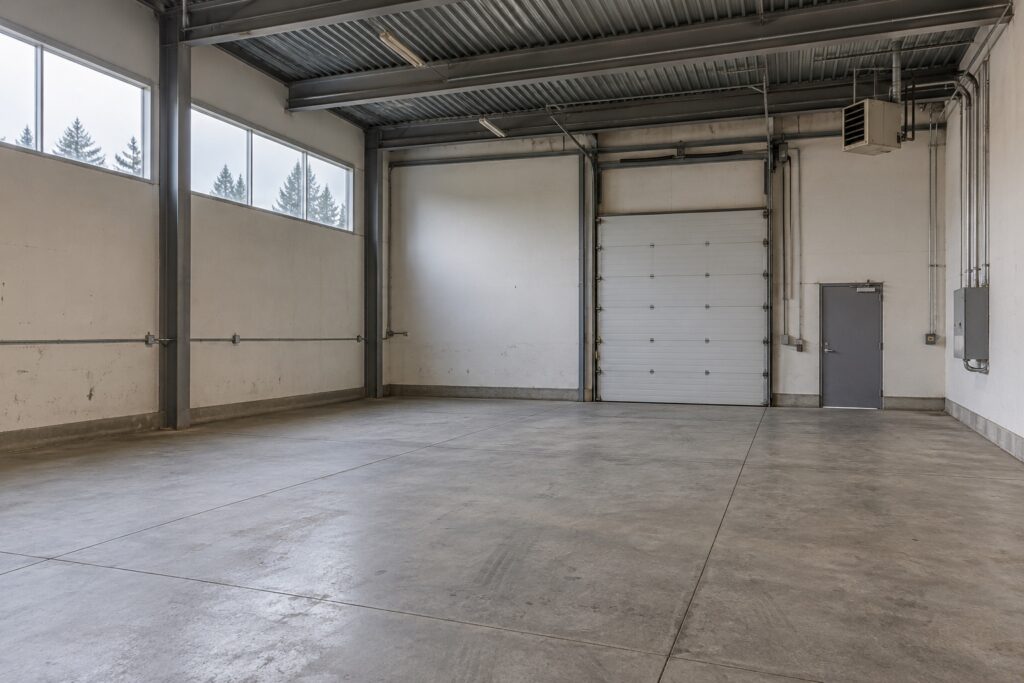
Inspect the parts of the property that support the proposed operation: structure, roof, HVAC, electrical capacity, plumbing, fire and life safety, elevators, drainage, paving, loading, building envelope, and deferred maintenance. Address accessibility during site selection and improvement planning with qualified design, code, and legal professionals.
Review environmental risk before committing
Washington Ecology and EPA databases can flag cleanup sites, underground storage tanks, regulated facilities, and compliance information. They help you know where to look; they are not environmental clearance.
If contamination liability may matter in a purchase, ask environmental counsel and a qualified environmental professional whether you need an All Appropriate Inquiries-compliant Phase I environmental site assessment. Confirm the current scope and timing requirements.
Model occupancy cost, capital work, and exit limits
For a lease, compare base rent with operating expenses, utilities, insurance, taxes, maintenance, improvements, restoration duties, options, assignment rights, delivery conditions, and commencement triggers. For a purchase, weigh price alongside financing, inspections and research, capital work, operating assumptions, closing costs, and exit limits.
Keep one running list of important questions. For each one, note the source, who is following up, the deadline, why it matters to the business, what confirmation is needed, and the current answer.
Sources
Sources checked August 24, 2026. Agency pages, statutes, forms, and requirements can change; confirm the current version before relying on them.
- King County property research Local example for parcel and jurisdiction research.
- Washington Ecology: Find cleanup sites State cleanup-site research.
- EPA Enforcement and Compliance History Online Federal regulated-facility screening.
- EPA All Appropriate Inquiries Federal environmental due-diligence guidance.
- ADA 2010 Standards for Accessible Design Federal accessibility standards.
- Washington DOR real estate excise tax Current state REET guidance.
Looking for commercial property in Washington?
Send the use, location, timing, and the terms that matter. We’ll compare each property against the same business needs.
This article provides general real estate information, not legal, tax, lending, environmental, engineering, inspection, accessibility, or investment advice. Requirements and property conditions vary. Confirm current information through the applicable public agency, transaction documents, and appropriately qualified professionals. Browsing, reading, or submitting an inquiry does not by itself create a brokerage, agency, fiduciary, or client relationship.