A Walla Walla house advertised with vacation-rental income needs two separate reviews: whether the business numbers are sound and whether the buyer can lawfully continue the use. A booking history, furnished rooms and good guest reviews do not settle the second question.
Start with the jurisdiction. The rules discussed here apply inside the City of Walla Walla, not automatically to unincorporated Walla Walla County, College Place or the Oregon side of the valley. Confirm the parcel’s location before applying the city’s short-term-rental framework.
Identify the permit type before valuing the income
The city’s short-term-rental FAQ distinguishes Type 1 rentals at an owner’s principal residence from Type 2 rentals at a dwelling that is not the owner’s principal residence. The city bars new Type 2 rentals, while qualifying operations established before November 9, 2017, may continue as nonconforming uses. An ordinary house available for sale should not be priced on the assumption that it can become a new, full-time vacation rental.
For an existing Type 2 property, ask Development Services to confirm the current status of the specific address. Request the permit and license, renewal records and evidence that the use has continued. The city says qualifying nonconforming status can run with the property when the use has not been abandoned. That is a conditional continuation, not a blanket promise attached to any home that once hosted visitors.
Under Municipal Code Chapter 20.139, permits and licenses are issued in the owner’s name, renewed annually, and must be obtained by the new owner or authorized agent when a sale occurs and the rental use continues. Ask the city what it needs at closing, who will submit it and whether anything in the existing file requires attention.
Make the operating record part of the purchase review
Request the actual rental calendar and receipts, then reconcile them with the income statement. Separate owner stays, complimentary nights and unavailable periods from paid occupancy. This is useful financial work, and it also gives the city a factual record to review if continuity of use is in question.
The code has discontinuance and vacancy provisions that can end Type 2 status. Do not assume a long renovation, an extended pause between owners or a change to longer-term tenancy leaves that status untouched. Bring the proposed transition schedule to the city and your attorney before relying on future short-term income.
For the budget, obtain insurance terms for the intended use and include management, cleaning, maintenance and downtime. Ask how future reservations will be handled in the sale rather than assuming the listing, guest deposits or management agreement will transfer with the deed. Those are transaction questions to resolve expressly.
Our Walla Walla wine and housing discussion provides regional context, but visitor activity cannot establish a property’s operating rights or net income. For this purchase, I would make the offer analysis work from the verified permit status and documented business record. If either is unresolved, the price should not depend on an uninterrupted rental operation.
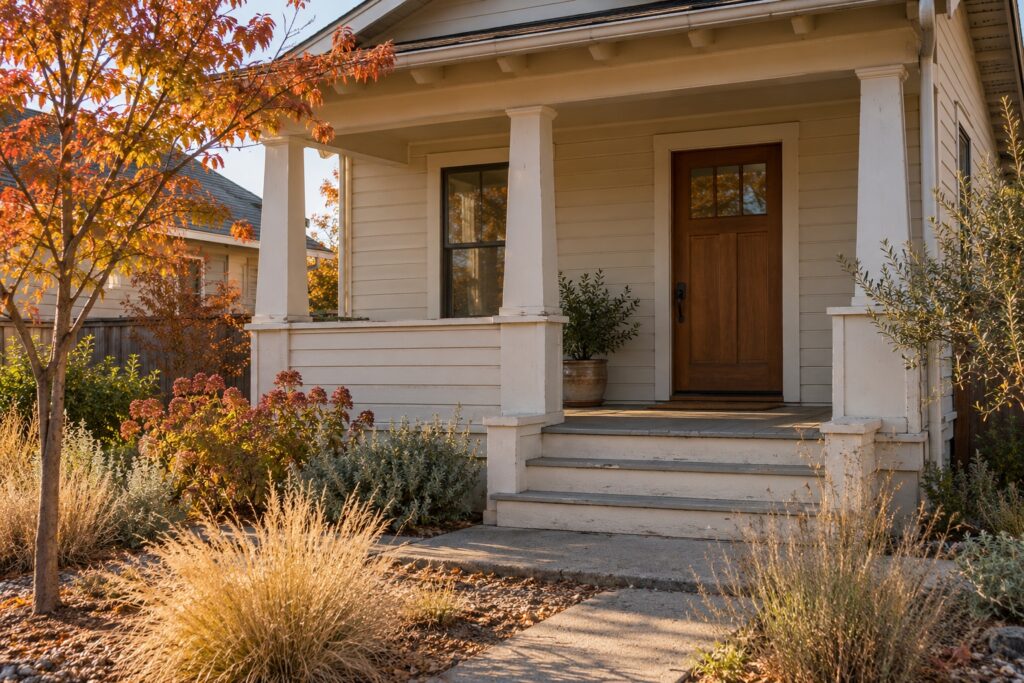
AI-generated editorial illustration of a bungalow; not an actual Walla Walla property or licensed short-term rental.
Sources checked October 20, 2026.