SPDES stands for State Pollutant Discharge Elimination System. It is New York’s permit program for controlling regulated wastewater and stormwater discharges. The Department of Environmental Conservation, or DEC, administers the program to protect surface water and groundwater. DEC’s program overview explains the activities it regulates.
For a property owner, SPDES may come up when evaluating land, planning construction, or reviewing a wastewater system. The useful questions are what the proposed work requires, when authorization is needed, and who will be responsible after work begins.
The program reaches beyond sewage treatment plants. It also covers stormwater from construction sites, certain industrial activities, and regulated municipal storm sewer systems. Runoff can carry sediment, oil, nutrients, and other pollutants into waterways. DEC’s stormwater guidance describes how these discharges are managed.
When does construction require SPDES coverage?
Construction stormwater coverage is generally required when a project will disturb one acre or more of soil. Smaller projects can also require coverage when they are part of a common plan of development or sale that will ultimately disturb at least one acre. The Construction General Permit sets out these requirements.
The key measurement is the land disturbed by the work. A five-acre parcel does not automatically mean five acres of disturbance. On the other hand, looking only at a proposed building’s footprint can leave out grading, access, utility work, and other affected areas.
Location matters, too. Lower thresholds apply in the New York City East of Hudson watershed and within New York City. Some agricultural, forestry, and routine maintenance activities have exceptions. Check the site-specific requirements before assuming a project under one acre is exempt.
What is a SWPPP?
A Stormwater Pollution Prevention Plan, commonly called a SWPPP, explains how a project will control erosion, sediment, and other stormwater pollutants. Depending on the project, it may also address stormwater management after construction.
The process includes preparing the plan, completing applicable municipal review, and submitting an electronic Notice of Intent to DEC. For projects covered by the Construction General Permit, the authorization date in DEC’s Letter of Authorization determines when construction may begin. A completed plan or submitted application alone does not establish permission to start. Inspection, maintenance, and closeout requirements also apply. DEC outlines the coverage process here.
Does a septic system need a SPDES permit?
DEC identifies an exemption for sewage-only discharges to groundwater when the treatment system’s total design flow is less than 1,000 gallons per day and the wastewater contains no industrial or other non-sewage waste.
That threshold refers to design flow, rather than tank capacity. A 1,000-gallon septic tank does not, by itself, tell you whether the exemption applies. Health-department approval and other permits may still be required. Review the approved system design and proposed use, especially when considering an expansion. See DEC’s exemption guidance.
What should a property owner check?
Before relying on a property’s development potential, gather the available permits, plans, and supporting records. Then work through these questions:
- How much soil will the full project disturb, including related phases?
- Is the property part of a larger development plan?
- Does existing SPDES coverage apply to the proposed work or use?
- Who will handle inspections and ongoing maintenance?
- Will a sale, expansion, or revised plan require updated authorization?
SPDES coverage does not replace zoning, site-plan, building, or other required environmental approvals. The construction permit preserves those separate requirements.
Start with the local planning or building department, the appropriate DEC regional office, and your project engineer. Reviewing the intended use and site conditions together gives you a more useful basis for budgeting and scheduling the work.
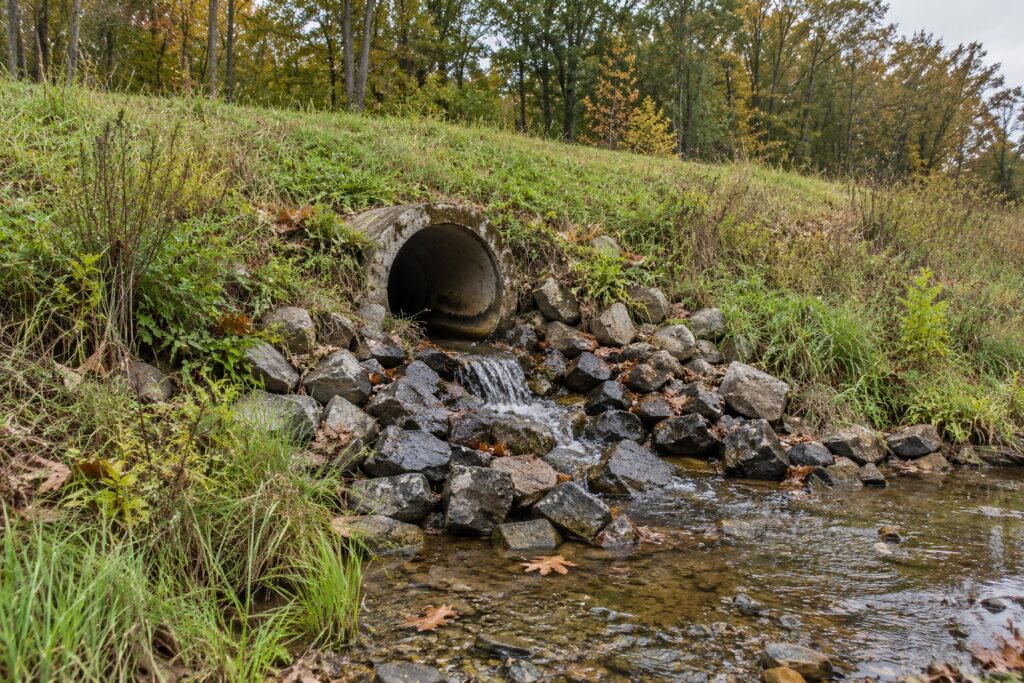
DEC guidance reviewed October 17, 2026. Featured image: AI-generated illustration of a generic drainage setting, not a specific property or permitted project.